Subsidence and Structural Movement: Detection and Solutions
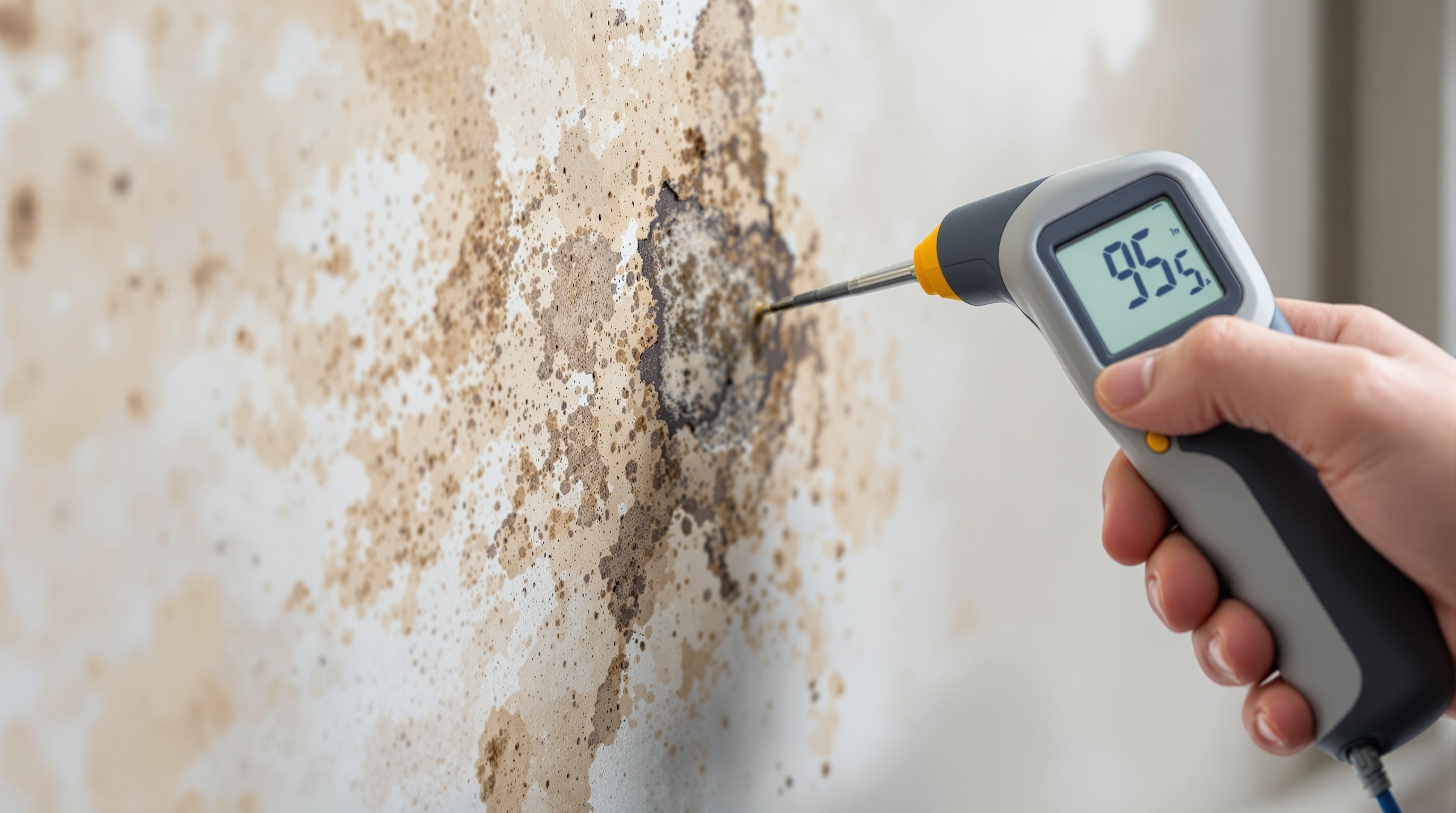
Subsidence is one of the most serious and costly defects that can affect a property. Understanding the signs, causes, and solutions is essential for property buyers and owners in Milton Keynes and surrounding areas.
Types of Structural Movement
Not all structural movement is subsidence. Understanding the different types helps determine the appropriate response:
Subsidence - Downward Movement
Definition: Downward movement of the ground beneath a building's foundations causing the building to sink.
Main Causes:
- Clay soil shrinkage (especially during dry summers)
- Tree roots extracting moisture from soil
- Leaking drains washing away soil
- Mining or quarrying activities (historical)
- Soil compaction or erosion
Typical Signs: Cracks wider at top than bottom, diagonal cracks near doors/windows, doors and windows sticking.
Severity: HIGH - Can cause significant structural damage requiring expensive repairs (£15,000-£50,000+).
Heave - Upward Movement
Definition: Upward movement of the ground, typically when clay soils expand after moisture returns.
Main Causes:
- Removal of trees (soil moisture increases)
- Repair of leaking drains (moisture returns)
- Extended wet periods after drought
- Clay soil expansion
Typical Signs: Cracks wider at bottom than top, floors lifting, doors and windows jamming, rippling in floors.
Severity: MODERATE-HIGH - Less common than subsidence but can still cause significant damage.
Settlement - Normal Compression
Definition: Normal downward movement as new buildings adjust to their foundations, or minor ongoing compression.
Main Causes:
- Weight of new building compressing soil
- Normal ground consolidation
- Minor soil compression over time
Typical Signs: Hairline cracks, usually uniform across the building, stable (not progressive).
Severity: LOW - Usually not a concern. Most buildings experience minor settlement in first few years.
Key Difference: Settlement is expected and stable. Subsidence is progressive and requires intervention.
Common Causes of Subsidence in Milton Keynes
Milton Keynes properties, particularly those built on clay soils, face specific subsidence risks:
How to Detect Subsidence: Warning Signs
Early detection is crucial. Look for these warning signs:
| Sign | What to Look For | Severity Indicator |
|---|---|---|
| Crack Width |
• >3mm: Minor • 5-15mm: Moderate • 15-25mm: Severe • >25mm: Very severe |
Wider cracks = more serious |
| Crack Pattern | Diagonal cracks, often wider at top, near corners of windows/doors | Diagonal = possible subsidence Vertical = likely thermal/settlement |
| Crack Location | External walls, extensions, where new meets old construction | External + internal = more serious |
| Doors & Windows | Sticking, jamming, gaps appearing above frames | New sticking = active movement |
| Floor Problems | Sloping floors, cracks in tiles, gaps between floor and skirting | Multiple floors = widespread issue |
| Exterior Signs | Leaning or bulging walls, cracks in brickwork, rippling wallpaper | Bulging = urgent structural concern |
- Cracks wider than 15mm (about the width of a £1 coin)
- Cracks that are growing rapidly (visible changes over weeks)
- Bulging or leaning walls
- Multiple areas of cracking throughout the property
- Doors and windows that suddenly won't close
Interactive Subsidence Risk Assessment
Assess Your Property's Subsidence Risk
Answer these questions to understand your property's subsidence risk level:
Tree Distance Safety Calculator
Calculate Safe Tree Distance
Trees are the leading cause of subsidence on clay soils. Use this calculator to determine if trees pose a risk:
The Investigation Process
When subsidence is suspected, a systematic investigation is essential:
Initial Survey & Assessment
What happens: RICS chartered surveyor inspects property, measures cracks, assesses severity
Cost: £500-£800
Duration: 2-3 hours on site, 1 week for report
Outcome: Preliminary opinion on cause and severity
Crack Monitoring
What happens: "Tell-tales" or glass strips placed across cracks to monitor movement
Cost: £200-£400 for installation
Duration: Typically 6-12 months (must cover seasonal variations)
Outcome: Determines if movement is active or historic
Site Investigation
What happens: Trial pits or boreholes to examine soil conditions and foundations
Cost: £1,500-£3,000
Duration: 1-2 days on site, 2 weeks for laboratory analysis
Outcome: Detailed soil analysis and foundation assessment
Root Investigation (if trees implicated)
What happens: Excavation to identify tree root presence near foundations
Cost: £800-£1,500
Duration: 1 day
Outcome: Confirms if trees are causing the problem
Structural Engineer Report
What happens: Analysis of all investigation data, recommended solutions
Cost: £1,000-£2,000
Duration: 2-3 weeks
Outcome: Detailed specification for repairs with cost estimates
Repair Solutions and Costs
Treatment depends on the cause and severity. Main options include:
| Solution | When Used | Process | Typical Cost |
|---|---|---|---|
| Monitoring Only | Historic movement, now stable | Continue monitoring, address cause (trim trees, repair drains), no structural work | £500-£2,000 |
| Crack Repair & Redecoration | Minor subsidence, now stable | Fill cracks, replaster, redecorate. May include masonry stitching | £2,000-£8,000 |
| Mass Concrete Underpinning | Moderate to severe subsidence | Excavate beneath foundations in sections, fill with concrete to deeper, stable soil | £15,000-£30,000 |
| Mini-Piled Underpinning | Severe subsidence, difficult access | Install steel piles into ground, connect to foundation with needle beams | £25,000-£50,000+ |
| Resin Injection | Void filling, soil stabilization | Inject expanding resin to fill voids and stabilize ground | £8,000-£15,000 |
| Tree Management | Tree-related subsidence | Pruning, pollarding, or removal. Note: removal can cause heave | £500-£3,000 per tree |
Making an Insurance Claim
Most buildings insurance policies cover subsidence. Here's how to navigate the claims process:
Preventing Subsidence
While you can't control all factors, these measures reduce subsidence risk:
Subsidence Prevention Checklist
Buying a Property with Subsidence History
Properties with subsidence history are harder to sell and usually sell for less, but may still be acceptable investments if properly repaired:
Essential Checks Before Proceeding
- Get structural engineer report: Independent assessment of repairs (£800-£1,200)
- Review original investigation reports: Understand the cause and whether it's resolved
- Check repair guarantees: Minimum 10 years remaining, transferable to you
- Verify monitoring: Has property been stable since repairs? Get evidence
- Insurance availability: Contact insurers to confirm you can get cover and costs
- Cause still present?: Are trees still there? Have drains been repaired?
Price Negotiation Strategy
- Typical reduction: 10-25% below market value depending on severity and history
- Recent repairs: Less reduction if repairs completed recently with full guarantees
- Old history: If repairs were 20+ years ago and stable since, smaller reduction justified
- Active subsidence: Substantial reduction (30-50%) or walk away if not addressed
- Get quotes: If repairs needed, get contractor quotes to evidence negotiation
- Factor insurance: Higher ongoing costs should reduce price
Negotiation leverage: Limited buyer pool (most will reject), mortgage difficulties, insurance issues all justify substantial discount.
Mortgage and Insurance Challenges
Mortgages:
- Many lenders refuse properties with subsidence history
- Those that will lend typically require larger deposits (25-40%)
- Higher interest rates may apply
- Specialist lenders more likely to consider
- Valuer must confirm repairs satisfactory
Insurance:
- Higher premiums (50-200% more than equivalent property)
- Higher excess for subsidence claims (£2,000-£5,000)
- Some insurers exclude subsidence cover entirely
- May need specialist insurers
- Must disclose history to all future buyers
When Buying: Seller Obligations
Our RICS chartered surveyors have extensive experience with subsidence in Buckinghamshire properties:
- Preliminary subsidence assessments (£500-£800)
- Full structural surveys including subsidence risk analysis
- Crack monitoring and reporting services
- Independent assessment of previous subsidence repairs
- Expert witness services for insurance disputes
- Pre-purchase advice on properties with subsidence history
Don't take risks with subsidence. Contact us for expert assessment.
Frequently Asked Questions
Concerned About Subsidence?
Our RICS chartered surveyors provide expert subsidence assessments throughout Milton Keynes, Bedford, Northampton, and Buckinghamshire.
Book Your Subsidence Assessment