Dilapidations: A Complete Guide for Commercial Tenants and Landlords

Dilapidations represent one of the most significant financial risks for commercial tenants leasing property across Milton Keynes, Bedford, Northampton, and the wider region. At Milton Keynes Surveyors, our chartered building surveyors regularly advise both commercial tenants and landlords on dilapidations matters, helping minimize liability, resolve disputes, and ensure fair settlements.
This comprehensive guide explains everything you need to know about commercial dilapidations, from understanding your lease obligations to negotiating terminal schedules and protecting your financial interests.
What Are Dilapidations?
Dilapidations are breaches of lease covenantsLegal obligations in your commercial lease regarding property condition and maintenance relating to the physical condition of commercial property. When a commercial lease ends, landlords assess whether the tenant has fulfilled their repairing obligations and returned the property in the required condition. Any breaches constitute dilapidations for which the landlord can seek financial compensation.
Types of Dilapidations
Terminal Dilapidations (Most Common)
Terminal dilapidations arise at lease end when the tenant vacates. This is the most common and financially significant type of dilapidations claim affecting commercial tenants throughout Milton Keynes and the surrounding area.
The Process:
- Tenant vacates property at lease end
- Landlord's surveyor inspects the vacated property
- Schedule of dilapidations prepared listing all breaches
- Landlord serves schedule with cost estimates
- Landlord seeks financial compensation for breaches
Interim Dilapidations (During Tenancy)
Interim dilapidations claims can arise during the lease term if the landlord believes the tenant is failing to maintain the property in accordance with lease obligations.
When Used:
- Landlord notices significant property deterioration
- Tenant neglecting routine maintenance
- Warning mechanism before terminal claims
- Protecting landlord's asset value
Tenant Rights: Can challenge interim schedules, have time to complete works, may dispute whether breaches are genuine
Yield-Up Obligations
The yield-up clause in commercial leases specifies the exact condition in which property must be returned at lease end.
Typical Yield-Up Requirements:
- Full decoration throughout
- All repairs completed
- Alterations reinstated (unless agreed otherwise)
- Statutory compliance achieved
- Property cleaned and cleared
- All tenant fixtures removed
Dilapidations Cost Estimator
Estimate Your Potential Dilapidations Liability
This tool provides a rough estimate of potential dilapidations costs based on property characteristics and condition:

Understanding Lease Repairing Obligations
Your liability for dilapidations depends entirely on your lease terms. Milton Keynes Surveyors strongly recommends all commercial tenants understand their repairing obligations before signing leases.
Lease Types Comparison
| Lease Type | Tenant Responsibility | Dilapidations Risk | Typical Use |
|---|---|---|---|
| FRI (Full Repairing & Insuring) | Everything - structure, exterior, interior, services | Highest - full exposure | Most commercial leases in Milton Keynes |
| Internal Repairing Only | Internal areas, fixtures, fittings only | Moderate - limited to internals | Multi-let buildings, retail units |
| With Schedule of Condition | Limited to not worsening documented condition | Lower - capped liability | Older properties, negotiated leases |
| Landlord Maintains | Minimal - tenant use only | Very low - rare exposure | Rare in modern commercial leases |
The Dilapidations Process Timeline
12-18 Months Before Lease End
Tenant Action: Commission pre-expiry inspection by chartered surveyor. Identify potential breaches early, get repair quotes, decide whether to complete works voluntarily or settle financially.
6 Months Before Lease End
Tenant Action: Begin addressing obvious issues if cost-effective. Negotiate with landlord about retention of alterations. Consider whether to complete voluntary works or accept dilapidations claim.
Lease End - Vacation
Tenant vacates property. Property should be cleared, cleaned, and ideally with obvious repairs completed if economical.
Within 2-4 Weeks Post-Vacation
Landlord Action: Commission surveyor to inspect vacated property and prepare terminal schedule of dilapidations.
Schedule Served (within 2-3 months)
Landlord serves terminal schedule listing all alleged breaches, required works, and cost estimates. Claims typically range £20,000-£150,000+.
56 Days to Respond
Tenant MUST respond within 56 days per Dilapidations Protocol. Instruct chartered surveyor immediately to prepare comprehensive response (Scott Schedule).
Negotiation Period (2-6 months)
Surveyors negotiate settlement. Most claims settle at 60-70% of original demand through professional negotiation. Section 18(1), supersession, and betterment arguments reduce claims significantly.
Settlement or Litigation
Final outcome: 90%+ settle through negotiation. Litigation is expensive and time-consuming for both parties. Mediation often used if negotiation stalls.
Landlord's Claim Limitations
Important legal principles limit landlords' dilapidations claims, protecting tenants from excessive demands:
Common Dilapidations Issues
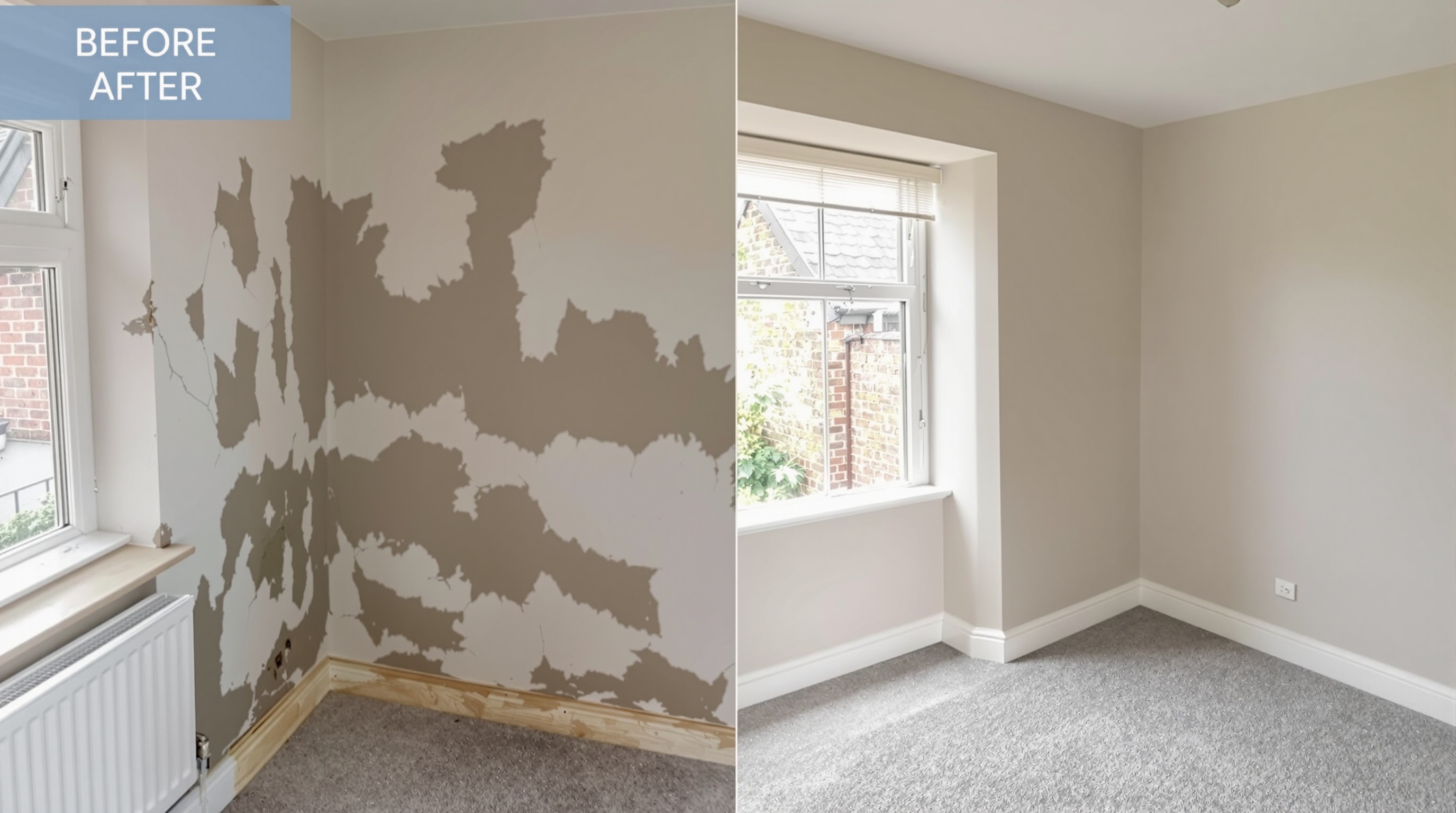
Decoration Requirements
Most commercial leases require decoration every 3-5 years and at lease end. Failure to redecorate is one of the most common dilapidations claims.
Typical Claims: £5-£15 per sq ft for full redecoration
- 5,000 sq ft office = £25,000-£75,000 decoration claim
- Includes preparation, materials, labor
- Professional fees added (10-15%)
Reinstatement of Alterations
Tenants who made alterations (with or without consent) are usually required to reinstate at lease end. This can be extremely costly, particularly for substantial fit-outs.
Negotiation Strategy:
- Approach landlord 6-12 months before lease end
- Highlight that alterations may benefit next tenant
- Offer to leave alterations in exchange for reduced/waived dilapidations
- Many landlords prefer to keep useful alterations
Fair Wear and Tear
Tenants are not liable for fair wear and tear - reasonable deterioration through normal use. However, defining "fair wear and tear" often causes disputes.
Generally Accepted as Fair Wear and Tear:
- Gradual fading of decoration from sunlight
- Minor carpet wear in high-traffic areas
- General aging of materials within expected lifespan
NOT Fair Wear and Tear:
- Damage from misuse or accidents
- Failure to carry out regular maintenance
- Deterioration that could have been prevented by proper maintenance
- Neglect of lease obligations
Statutory Compliance
Leases typically require compliance with statutory requirements (fire safety, asbestos, health and safety, accessibility, etc.). Non-compliance can result in substantial dilapidations claims for remedial works.
Common Compliance Issues:
- Fire risk assessments not up to date - £2,000-£10,000 to remedy
- Asbestos surveys/management not current - £1,000-£5,000
- Emergency lighting not certified - £500-£3,000
- Fire alarm systems not maintained - £2,000-£8,000
- Disability access not compliant - £5,000-£50,000+
Strategies for Minimizing Dilapidations Liability
Protect Yourself Before Signing
Active Management During Lease Term
Pre-Vacation Preparation
Responding to Dilapidations Claims
Frequently Asked Questions
Conclusion: Protect Your Business from Dilapidations Exposure
Commercial dilapidations represent significant financial exposure for tenants and important asset management considerations for landlords across Milton Keynes, Bedford, Northampton, and the wider region. Understanding your lease obligations, taking proactive measures during tenancies, and instructing experienced RICS chartered surveyors are essential for protecting your interests and minimizing liability.
Milton Keynes Surveyors provide comprehensive dilapidations services for both commercial tenants and landlords, including:
- Pre-expiry inspections (12-18 months before lease end)
- Terminal schedule preparation for landlords
- Scott Schedule responses for tenants
- Negotiation and dispute resolution
- Expert witness services if litigation required
- Schedules of condition at lease commencement
Our chartered building surveyors have extensive experience resolving dilapidations disputes throughout the region, saving clients tens of thousands of pounds through professional negotiation and robust technical responses.
Need Dilapidations Advice?
Whether you're a tenant facing a dilapidations claim or a landlord seeking to recover costs for property disrepair, our chartered surveyors provide expert professional advice tailored to your specific circumstances.
We help with:
- Pre-expiry inspections to identify issues early
- Responding to terminal schedules of dilapidations
- Negotiating reasonable settlements
- Preparing terminal schedules for landlords
- Schedules of condition to protect tenant interests