Common Property Defects Found During Building Surveys
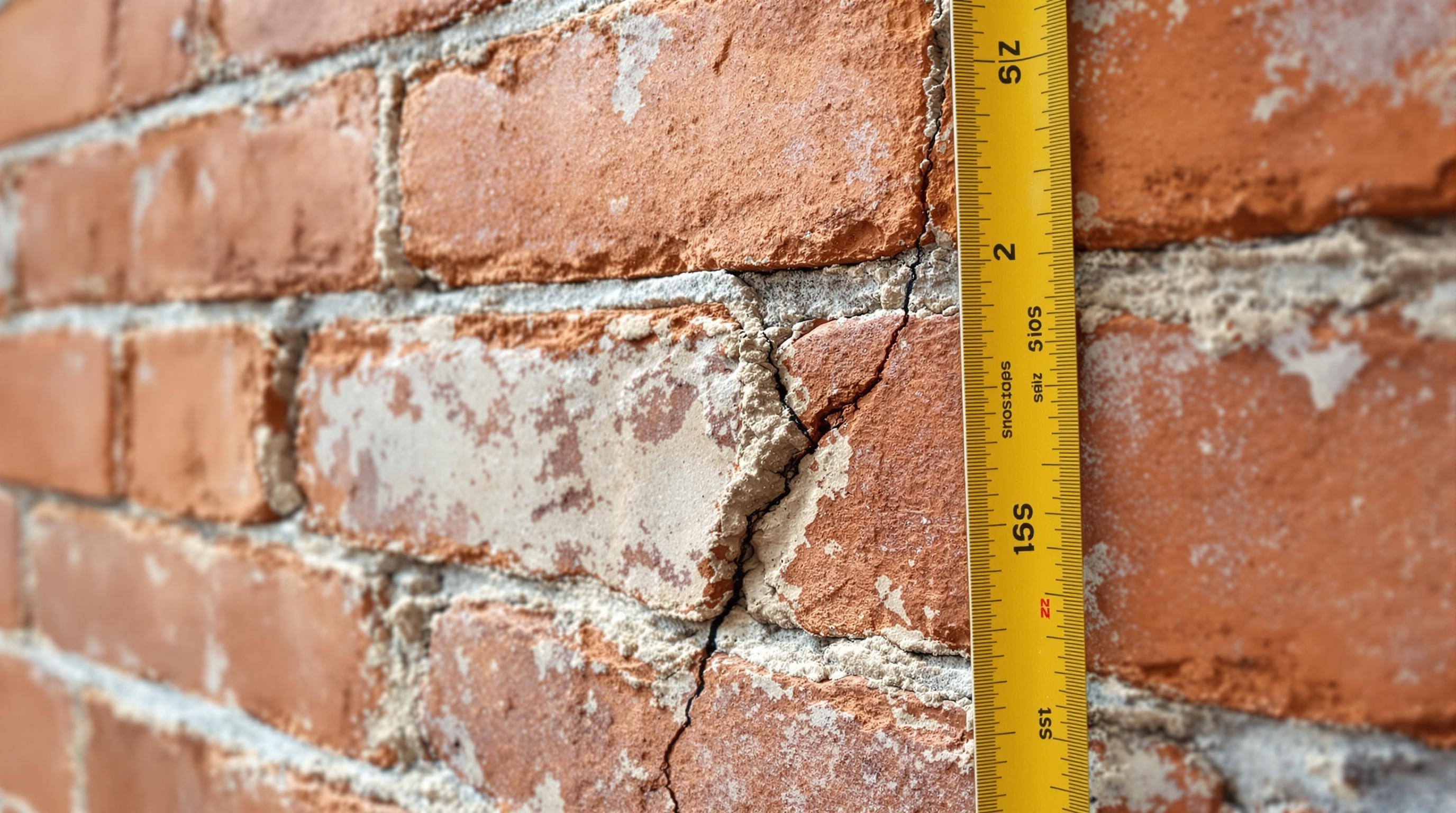
During thousands of building surveys conducted across Milton KeynesGrowing city with diverse property stock from 1970s new towns to Victorian villages, Bedford, Northampton, and Buckinghamshire, our RICS chartered surveyors regularly identify defects that would have gone completely unnoticed by property buyers during viewings. Understanding common property defects helps you appreciate why professional surveys are essential and what to watch for when buying property.
This comprehensive guide from Milton Keynes Surveyors covers the most frequent defects we encounter, their causes, implications, repair costs, and how to negotiate with sellers when problems are identified.
Interactive Defect Severity Assessment Tool
Assess Your Property Defect's Severity
Use this tool to understand how serious a defect might be based on symptoms you've observed or survey findings. Answer questions about what you've seen:
1. Damp and Moisture Problems
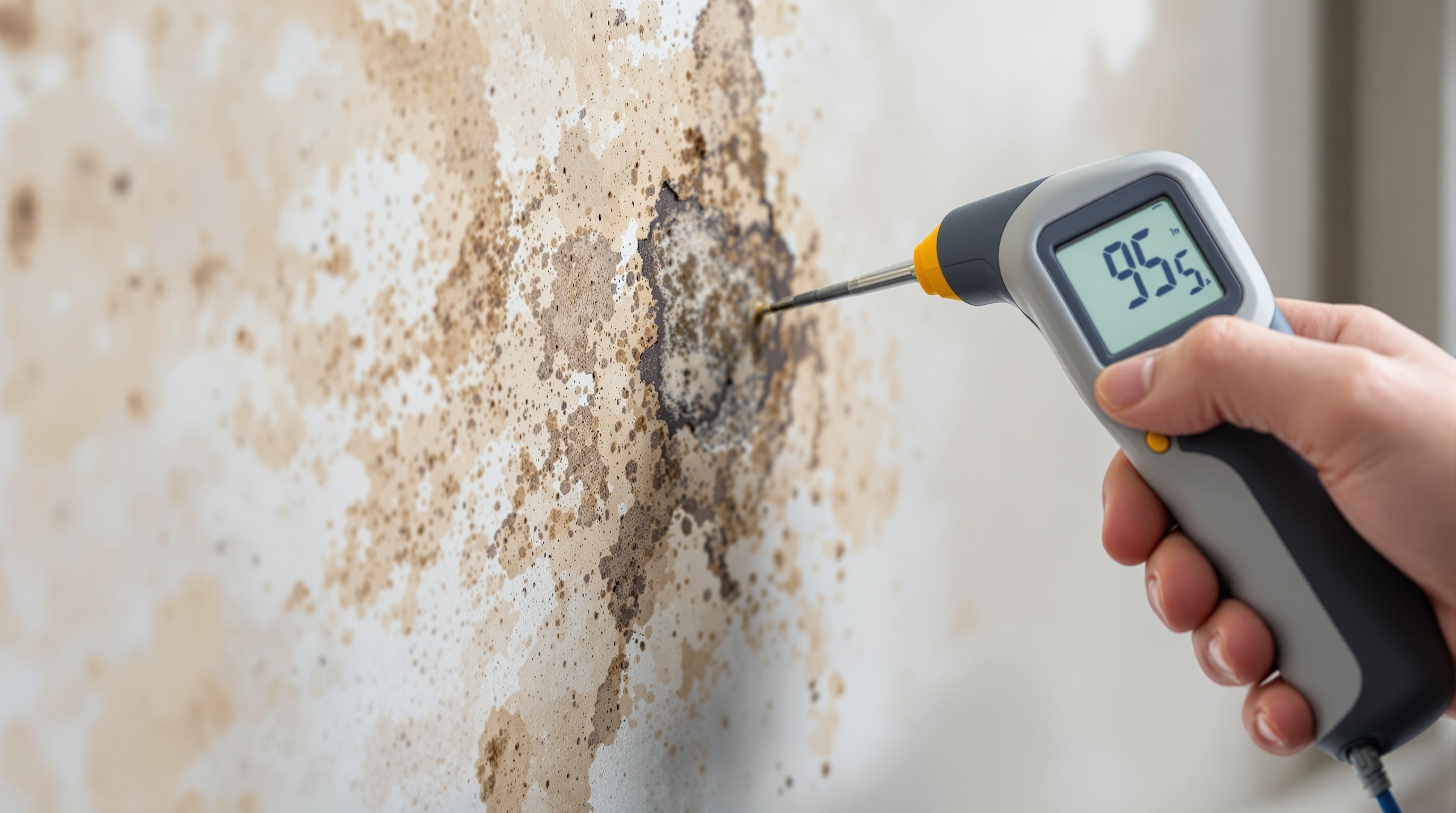
Damp is consistently the most common defect identified during building surveys throughout the region. Our chartered surveyors use moisture meters, thermal imaging cameras, and visual inspection to detect damp issues that aren't obvious to untrained eyes.
Rising Damp
Rising damp occurs when groundwater rises through masonry due to absent, damaged, or bridged damp-proof courses (DPC). Common in older properties across Milton Keynes and Bedford built before modern DPC standards.
Penetrating Damp
Water penetrating through walls, roofs, or windows due to defects in the building fabric. More common after heavy rain.
Signs: Damp patches on walls (often worse after rain), mold growth, water stains, decaying timber, damp penetrating from specific points
Common Causes:
- Defective roof coverings or flashing - Missing tiles, failed valleys
- Blocked or damaged gutters and downpipes - Overflowing onto walls
- Failed pointing or rendering - Allowing rain penetration
- Cracked or porous brickwork - Particularly on exposed elevations
- Defective windows or door frames - Failed seals, rotting timber
Solutions: Depends on cause - roof repairs, gutter cleaning/replacement, repointing, render repairs, window replacement
Condensation
The most common form of damp, particularly in modern properties with inadequate ventilation. Often misdiagnosed as rising or penetrating damp.
Signs:
- Mold on walls and ceilings (especially corners and behind furniture)
- Water droplets on windows in morning
- Musty smell throughout property
- Black mold in bathrooms and kitchens
- Damp clothing and soft furnishings
Solutions:
- Improved ventilation - trickle vents, extractor fans
- Better heating - maintain consistent temperatures
- Dehumidifiers for problem areas
- Anti-condensation paint
- Lifestyle changes - open windows, dry clothes outside
Typical Cost: £500-2,000 for ventilation improvements
2. Structural Movement and Subsidence
Structural movement is one of the most serious defects identified during surveys. Our RICS surveyors carefully assess cracks to determine whether they indicate historic settled movement or ongoing subsidence.
3. Roof Defects
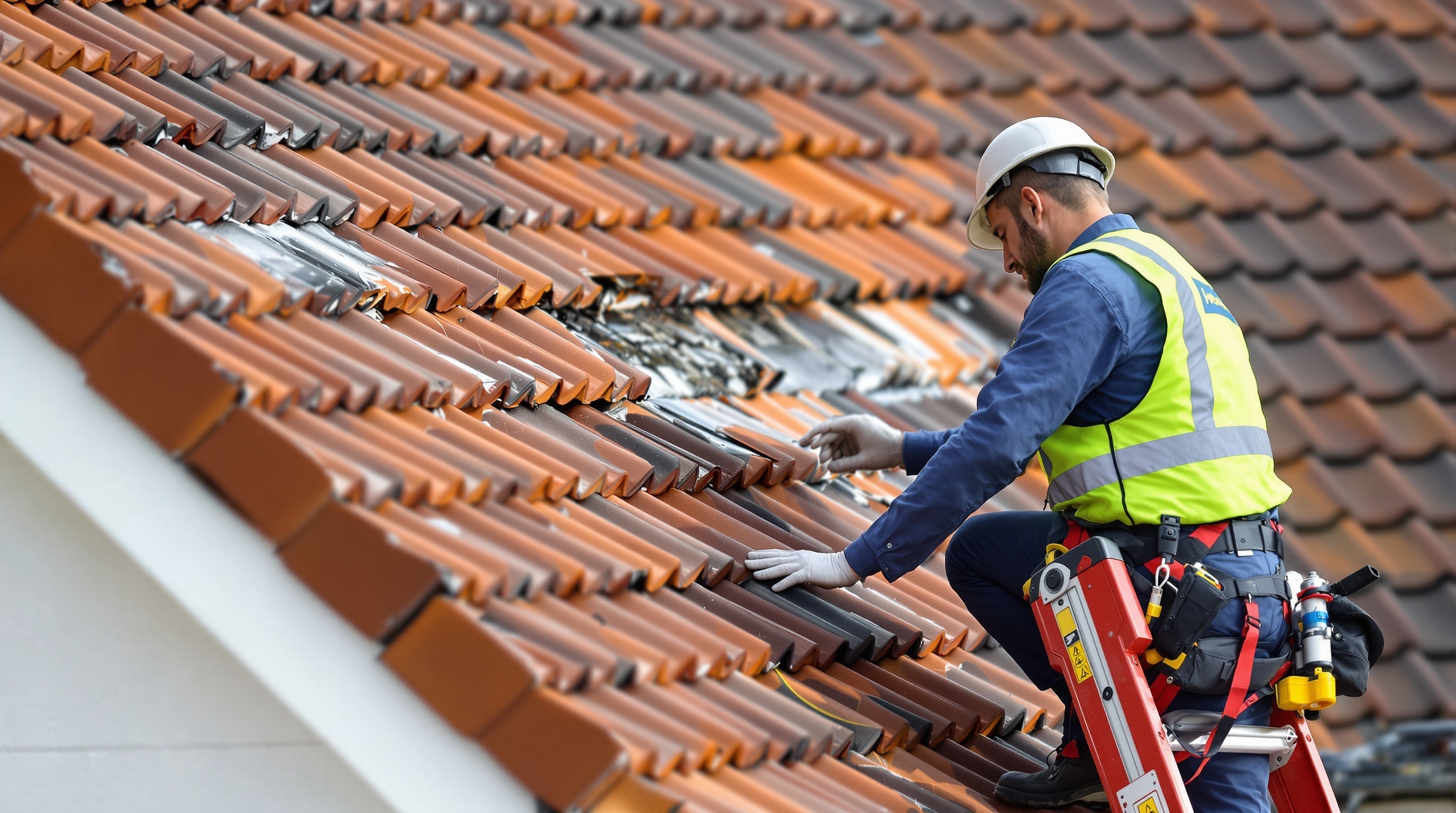
Roof problems are among the most expensive defects to remedy, commonly identified during building surveys across the region.
Tile and Slate Issues
Common problems:
- Slipped, cracked, or missing tiles/slates
- Deteriorating nail fixings (tiles sliding)
- Delaminating slates (splitting into layers)
- Ridge tiles loose or missing
- Aging roofing felt visible in roof space
- Inadequate roof insulation
Flat Roof Deterioration
Felt flat roofs typically last 15-25 years. Many properties across Milton Keynes have aging flat roofs approaching or exceeding their life expectancy.
Signs of Failure:
- Blistering of felt surface
- Cracking and splitting
- Ponding water (inadequate falls)
- Felt separating from substrate
- Internal water stains/leaks
- Moss and vegetation growth
Typical Costs: £800-1,500 per 10m² depending on material and access
Flashing Defects
Lead flashing around chimneys, valleys, and abutments deteriorates or was poorly installed originally.
Problem Areas:
- Chimney flashing cracked or pulled away
- Valley lead split or holed
- Abutment flashings failed
- Apron flashings around dormers
Solutions: Flashing repair/replacement: £300-1,000 depending on extent and accessibility
4. Timber Defects
Timber problems affect roof timbers, floor joists, and structural elements throughout properties across Milton Keynes and surrounding areas.
Woodworm (Furniture Beetle)
Small exit holes (1-2mm) in timber indicate historic or active woodworm infestation.
Assessment: Fresh boring dust (frass) indicates active infestation requiring treatment. Old, inactive infestation is common in roof timbers and not problematic if timber remains structurally sound.
Treatment: Chemical treatment £500-2,000 depending on extent. Severely affected structural timber requires replacement.
Wet Rot
Fungal decay of damp timber, common where timber has been persistently wet (moisture content >20%).
Common Locations:
- Window frames and cills
- External door frames
- Embedded wall plates in damp walls
- Roof timbers near leaks
- Floor joists in damp subfloors
Identification: Darkened timber, cracking along grain, soft spongy texture, fungal growth
Solutions: Remove and replace affected timber, address source of moisture
Cost: Window replacement £300-800 each, structural timber repairs £1,000-5,000+
Dry Rot (Serpula Lacrymans)
More serious fungal decay that can spread through masonry to attack dry timber. Less common but more dangerous than wet rot.
Signs:
- Mushroom-like fruiting bodies (pancake shaped, orange/brown)
- Cuboidal cracking in timber (shrinks and cracks in cube pattern)
- Fine white mycelium strands (cotton wool-like)
- Damp musty smell
- Timber crumbles when probed
Treatment: Specialist dry rot treatment £2,000-10,000+ including timber replacement, sterilization of masonry, replastering, and addressing moisture source
5. Electrical Installation Issues
Outdated or defective electrical installations are common in older properties throughout the Milton Keynes area.
Other Common Defects
How Survey Reports Present Defects
Understanding survey condition ratings helps you prioritize defects identified:
RICS Level 2 Survey Traffic Light System
| Rating | Meaning | Urgency | Examples |
|---|---|---|---|
| Condition 1 (Green) |
No repair currently needed | Normal maintenance only | Property in good condition, routine upkeep required |
| Condition 2 (Amber) |
Defects needing repair or replacement | Not urgent but plan repairs | Aging roof, deteriorating pointing, window repairs needed |
| Condition 3 (Red) |
Serious defects requiring urgent attention | Immediate action needed | Active subsidence, serious damp, electrical hazards, structural issues |
What To Do When Defects Are Identified
When your survey identifies defects, you have several options. Choose based on the severity and your circumstances:
Option 1: Proceed As Planned
When appropriate: If defects are minor, you're comfortable addressing them after purchase, and total repair costs are manageable.
Benefits:
- Purchase proceeds smoothly without delays
- You maintain good relationship with seller
- You can manage repairs on your own timeline
- You know exactly what needs doing (from survey)
Best for: Properties with only Condition 2 (amber) defects, routine maintenance issues, or minor problems you can afford to fix.
Option 2: Renegotiate Price
When appropriate: Significant defects identified that will cost substantial amounts to repair.
How to renegotiate:
- Get repair quotes from contractors
- Calculate total repair costs
- Request price reduction (typically 50-80% of repair costs)
- Present survey findings and quotes professionally
- Be prepared to negotiate/compromise
Option 3: Request Repairs
When appropriate: Urgent issues, safety concerns, or problems affecting mortgage availability.
Best for:
- Electrical safety issues
- Urgent roof leaks
- Defects affecting mortgage approval
- Work better done while property empty
Option 4: Walk Away
When appropriate: Serious structural problems, prohibitive repair costs, or defects making property unsuitable.
Walk away if you discover:
- Active subsidence requiring £15,000-£50,000+ underpinning
- Widespread structural issues affecting safety/habitability
- Japanese knotweed (mortgage-blocking, very expensive treatment)
- Major defects making property unmortgageable
- Total repair costs exceeding your budget by £20,000+
- Serious undisclosed issues suggesting seller dishonesty
Conclusion: Knowledge is Protection
Understanding common property defects helps you appreciate why professional RICS building surveys are essential when buying property in Milton Keynes, Bedford, Northampton, and surrounding areas. The defects discussed in this guide are regularly identified by our chartered surveyors, often in properties that looked perfect during viewings.
A professional survey provides detailed information about your property's condition, helping you:
- Make informed decisions based on facts, not assumptions
- Negotiate fairly with sellers when defects are found
- Budget realistically for repairs and maintenance
- Avoid financial disasters from hidden problems
- Plan future work with clear priorities
Milton Keynes Surveyors' RICS chartered surveyors provide comprehensive Level 2 and Level 3 building surveys across the region, identifying defects and providing clear guidance on their implications, urgency, and estimated repair costs.
Don't risk buying a property with hidden defects. Contact Milton Keynes Surveyors today for expert surveying services throughout Milton Keynes, Bedford, Northampton, Luton, and Buckinghamshire.
Need a Building Survey?
Our RICS chartered surveyors identify property defects across Milton Keynes and the surrounding area, providing detailed reports that help you make informed decisions.
What we identify:
- All types of damp and moisture problems
- Structural movement and subsidence
- Roof defects and deterioration
- Timber problems (woodworm, rot)
- Electrical installation issues
- Drainage problems
- And much more...